

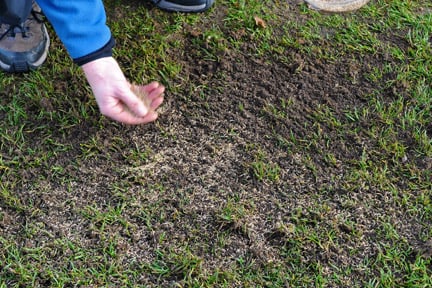

In my 15 years leading teams in landscaping and grounds maintenance across the UK, I’ve learned that knowing when to repair your lawn is almost as important as how you do it. The reality is that timing your lawn repair to match the UK’s seasonal weather patterns can dramatically impact how quickly and robustly your grass recovers. This is not just theory; I’ve seen cases where clients rushed repairs in unsuitable months and ended up with patchy growth, or worse, weed infestations that took months to control. From a practical standpoint, the best window to repair a lawn in the UK is generally from late summer into autumn and also in early spring, but prioritising each depends on what outcome you want—speedy recovery or lasting resilience. Let’s break down the key considerations to pinpoint the best time for your lawn repair.
Best Time to Repair Lawn: Key Points
Lawn repair timing hinges on temperature, moisture, and weed control, so here are five critical points you should weigh before starting.
Late Summer to Early Autumn Ideal for Deep Root Growth
Starting lawn repairs from late August through October leverages residual soil warmth, which remains around 10-18°C. This warmth encourages grass seed germination faster than in spring. At the same time, moisture from frequent autumn rains reduces the need for manual watering, a blessing I’ve noticed especially in areas like Norfolk. Deeper roots establish through the cooler months, preparing the lawn for a strong spring comeback. Avoid pushing this window too late as early frost risks damaging delicate seedlings.
Spring Repair for Rapid Visual Recovery
Spring repairs from March to May are excellent for quick visual improvement. The lengthening daylight and rising soil temperatures of 8-15°C promote fast grass growth, perfect for filling bare patches caused by winter wear. But it’s a race against weeds, which jump in rapidly in spring. I’ve had to advise clients to be cautious with watering and prepare soil by removing moss and compacting before seeding to get the best results. Spring is also better if you want to fix winter damage immediately.
Matching Repair Timing to Regional UK Climate
The UK’s varied climate zones mean timing flexibility matters. For example, South England’s longer growing season means repairs can start earlier in spring and extend later into autumn. In contrast, northern England and Scotland require pushing spring repairs to April or later and completing autumn work by early October to avoid frost risks. Western regions, which get wetter, benefit more from autumn repairs due to natural rainfall, whereas drier eastern areas gain advantages from spring irrigation.
Avoiding Extreme Weather Periods
A big lesson I’ve learned the hard way: don’t start lawn repairs during harsh summers or frozen winters. Summer’s drought stress kills fragile seedlings, and winter cold freezes the soil, halting growth entirely. Additionally, heavy rain periods can wash away newly sown seeds, setting you back weeks. Planning repairs in mild, damp, but frost-free months is crucial for success. Timing around these extremes can save both time and money.
Preparation and Aftercare Timing Are Equally Important
Timing isn’t just about when you seed; proper preparation and aftercare during these chosen periods are vital. For example, in spring, removing dead moss, spiking compacted soil, and treating weeds before sowing makes all the difference. In autumn, cutting H-shaped turf flaps, adding topsoil, and smoothing the surface before overseeding ensures stronger establishment. Long-term success often depends on diligent watering and protection against pests during early growth phases.
Conclusion: Timing Is Your Lawn’s Best Ally
Look, from my experience, the best time to repair your lawn in the UK boils down to syncing your effort with the natural cycles of the region you live in. Late summer to early autumn offers the best conditions to build a resilient lawn with deep roots before winter. Spring, while competitive with weeds, is your go-to for quick fixes and recovering from winter damage. The key lesson I’ve seen play out in many projects is that trying to rush or ignore the seasonality almost always backfires, leading to patchy lawns and wasted resources. By understanding your local climate and planning repairs during optimal windows with proper soil prep and aftercare, you set your lawn—and your investment—up for success.
FAQs about Best Time to Repair Lawn UK
What is the best time of year to repair a lawn in the UK?
Late summer through early autumn (August to October) are generally ideal for deep root development and moisture availability. Spring (March to May) works well for quick visual recovery.
Can I repair my lawn in the winter?
Winter is not recommended as cold soils prevent grass seed germination and growth, meaning repairs will likely fail until warmer weather returns.
Is spring or autumn better for lawn repair?
Autumn is better for building long-term resilience due to warmer soil and less weed pressure, but spring repairs can provide quicker patch filling after winter damage.
How does UK regional climate affect lawn repair timing?
Southern UK has a longer growing season allowing earlier spring repair and later autumn work, while northern and western regions should aim for later spring and earlier autumn to avoid frost.
What preparation is needed before repairing a lawn?
Remove debris, moss, and weeds; spike compacted areas; and prepare soil by adding topsoil or smoothing surface to improve seed-to-soil contact.
How important is watering after lawn repair?
Crucial. New grass seeds need consistent moisture, especially in drier spring conditions, to germinate and establish well.
Can I repair a lawn during dry summer months?
It is risky as drought stress can kill young seedlings. Repairs during this period are generally not advised unless you can provide consistent irrigation.
What grass seed types work best for UK lawn repair?
Drought-tolerant and shade-tolerant grass seeds tailored to your lawn’s conditions yield the best results, such as ryegrass for sun or fescue blends for shaded areas.
How quickly will a repaired lawn recover?
In spring, visual recovery can be rapid within a few weeks; autumn repairs take longer to show but result in stronger, established lawns by the following spring.
What are common mistakes when repairing UK lawns?
Starting too early or too late, inadequate soil prep, poor seed choice, ignoring watering needs, and overlooking regional climate variations are frequent errors I’ve observed.